The Timeless Charm of Lacquer in Jewelry Design
What is Lacquer (大漆)
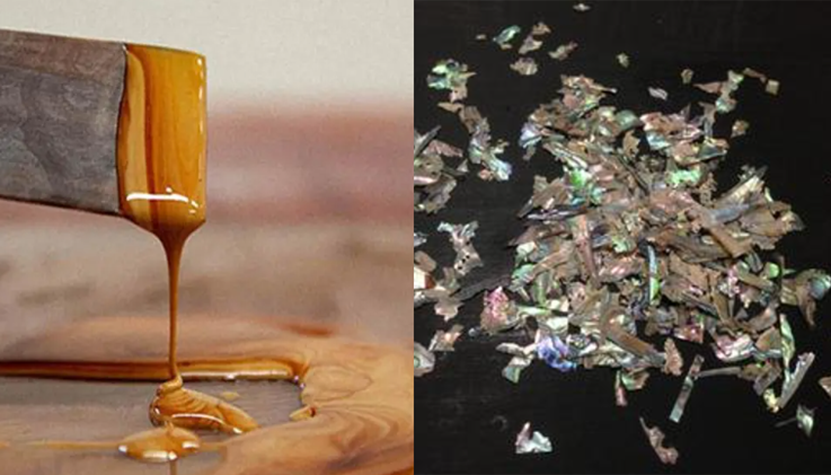
Lacquer is one of the most iconic forms of art in Eastern culture. It refers to a milky, sticky liquid that flows from the bark of the lacquer tree when it is cut. This substance is used to coat and decorate objects in a natural and environmentally friendly manner, earning it the nickname “edible paint.” It is also known as raw lacquer, Chinese lacquer, or earth lacquer. There is a saying in the industry: “A hundred miles, a thousand cuts, and only one pound of lacquer,” meaning that it takes 3,000 lacquer trees to harvest just 1 kilogram of raw lacquer. Any careless handling can result in the death of the tree. Therefore, raw lacquer is extremely expensive in today’s market.
The Long History of Lacquer Craftsmanship
Lacquer has been a high-tech material in ancient times, known for its “durability in texture and brilliance in appearance.” China is the earliest country to have discovered and utilized lacquer, and it has become a material that conveys the depth of Chinese history and culture. In the process of using lacquer, the Chinese invented lacquerware—a unique form of expression, which, like silk, became a globally admired craft. Today, lacquer craftsmanship is still influential worldwide, including in countries like Japan and Korea, which have incorporated elements of ancient Chinese lacquer art.
Lacquer as Both a Decorative and Functional Material
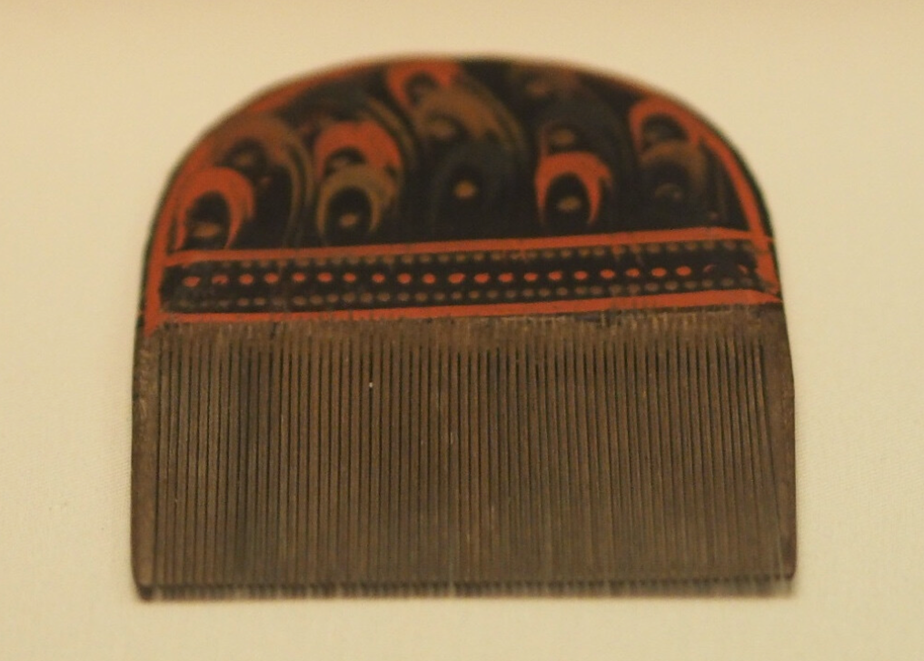
In addition to its decorative purposes, lacquer has more practical functions in jewelry. For example, during the making of combs and hairpins, there is a process involving lacquer that uses its adhesive properties to bond parts together.
In recent years, the fusion of traditional and modern lacquer techniques has slowly entered the jewelry design field, growing in popularity. Lacquer materials have proven to be highly effective in jewelry design, offering new directions for the field. Many art schools in China are now incorporating lacquer techniques into jewelry programs.
The Versatility of Lacquer Craftsmanship
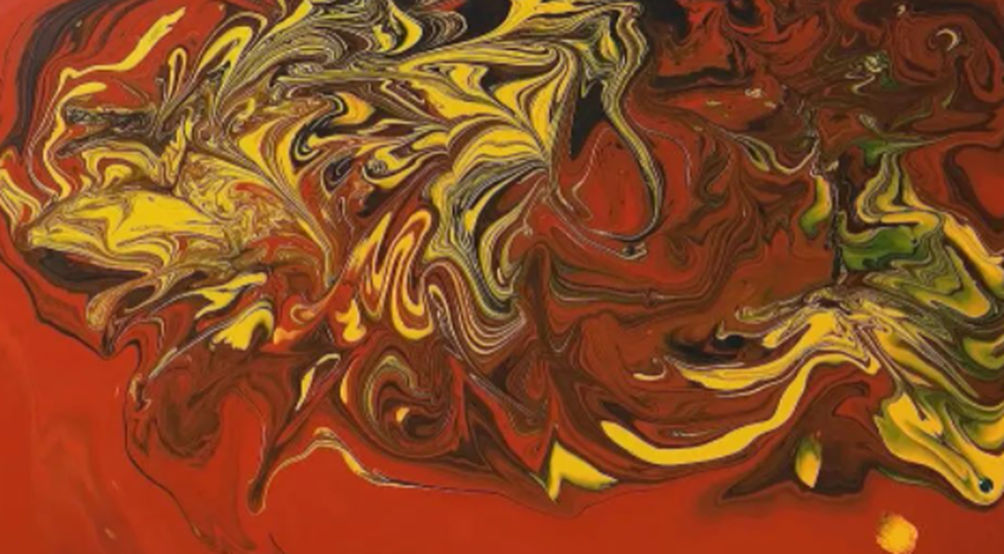
When exposed to air, lacquer oxidizes and turns a warm black color. It can be mixed with various pigments such as cinnabar, silver vermilion, ochre, yellow ochre, malachite, and more. Different techniques of lacquer craftsmanship, when applied to various materials, yield unique results.
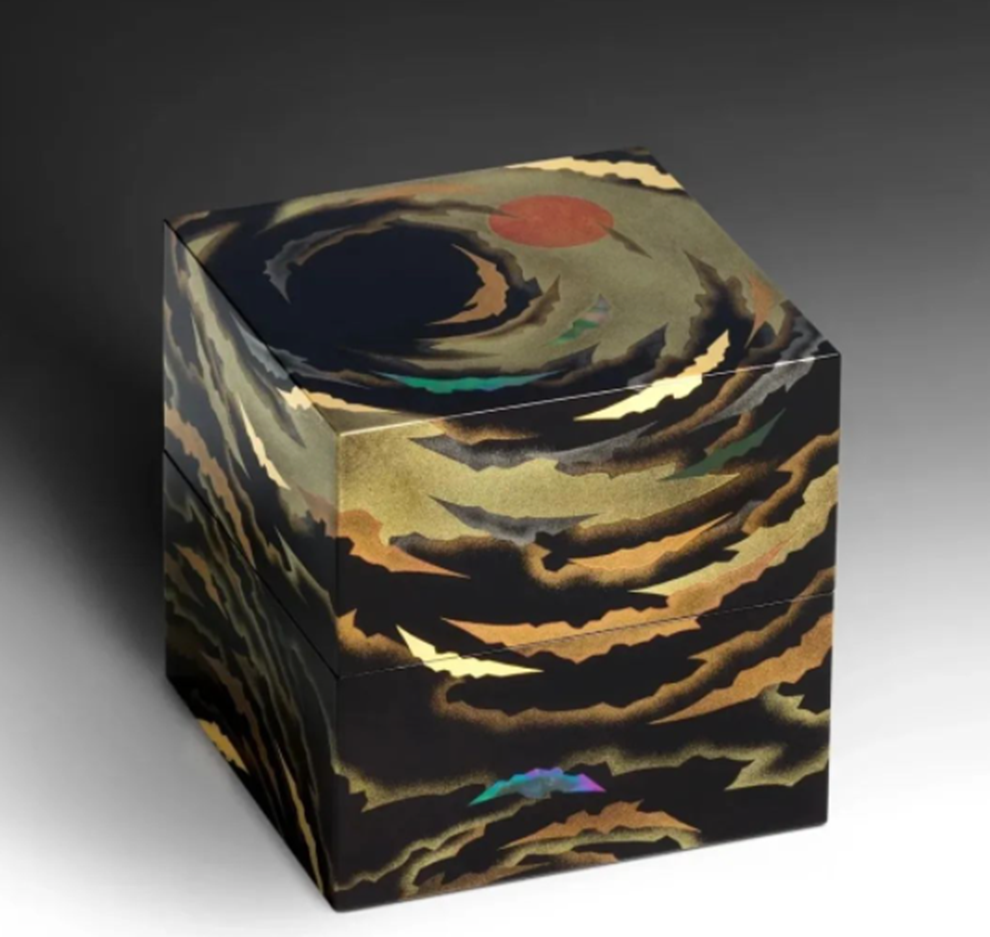
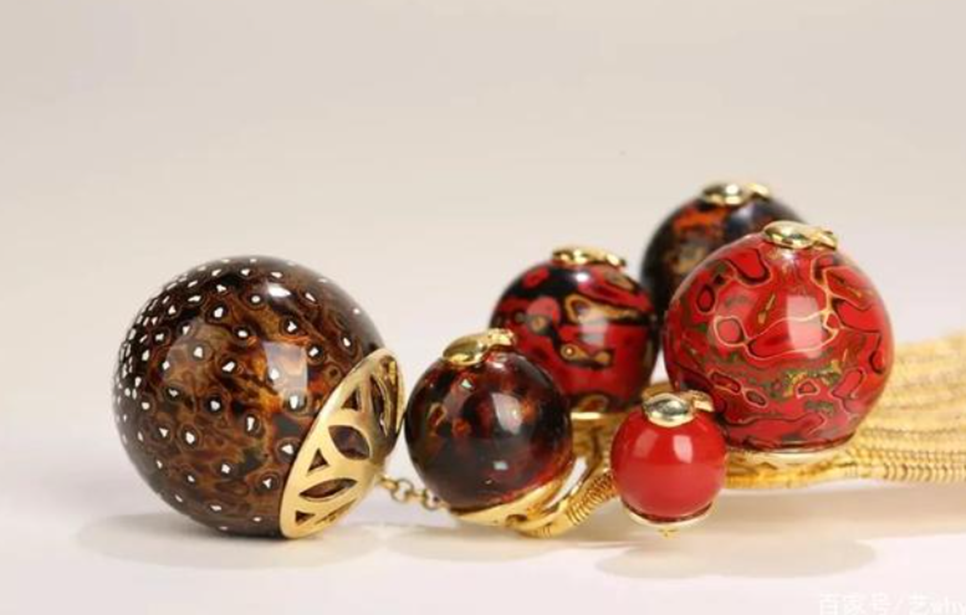
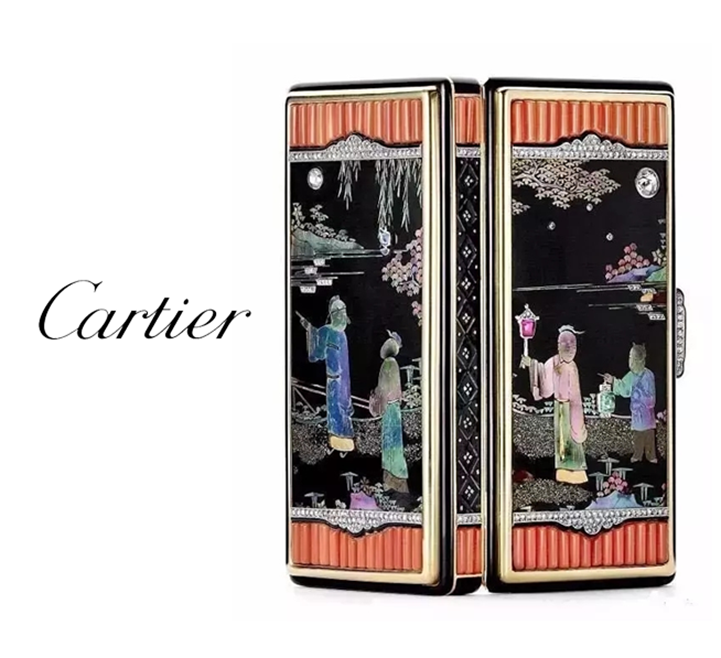
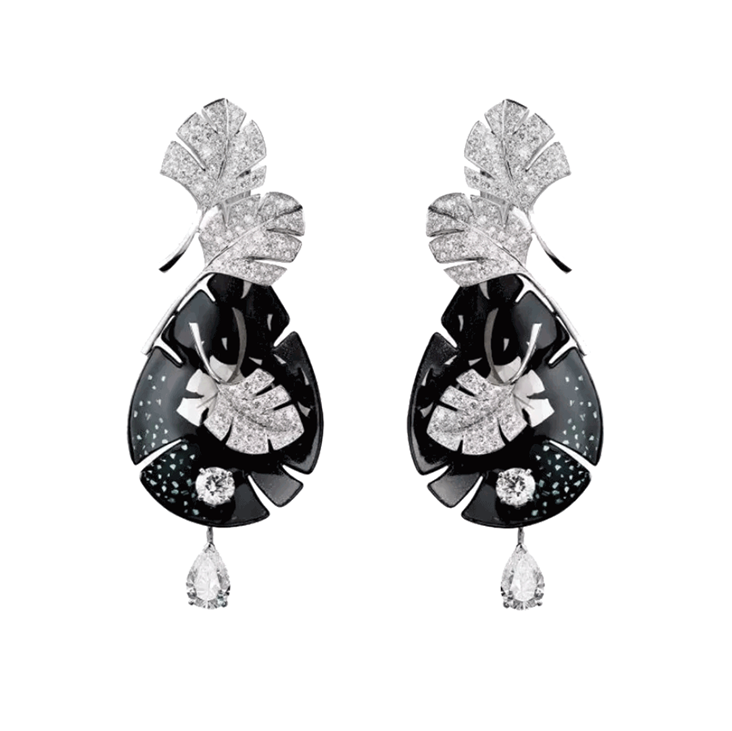
When traditional lacquer is combined with materials like clay gold, inlaid metals, mother-of-pearl, and gemstones, the result is a stunning fusion of beauty and skill. Whether it is luxurious, elegant, or ancient in appearance, lacquer craftsmanship adds a rich layer of artistic expression to jewelry design.
High-End Lacquer Jewelry – Cartier and Van Cleef & Arpels
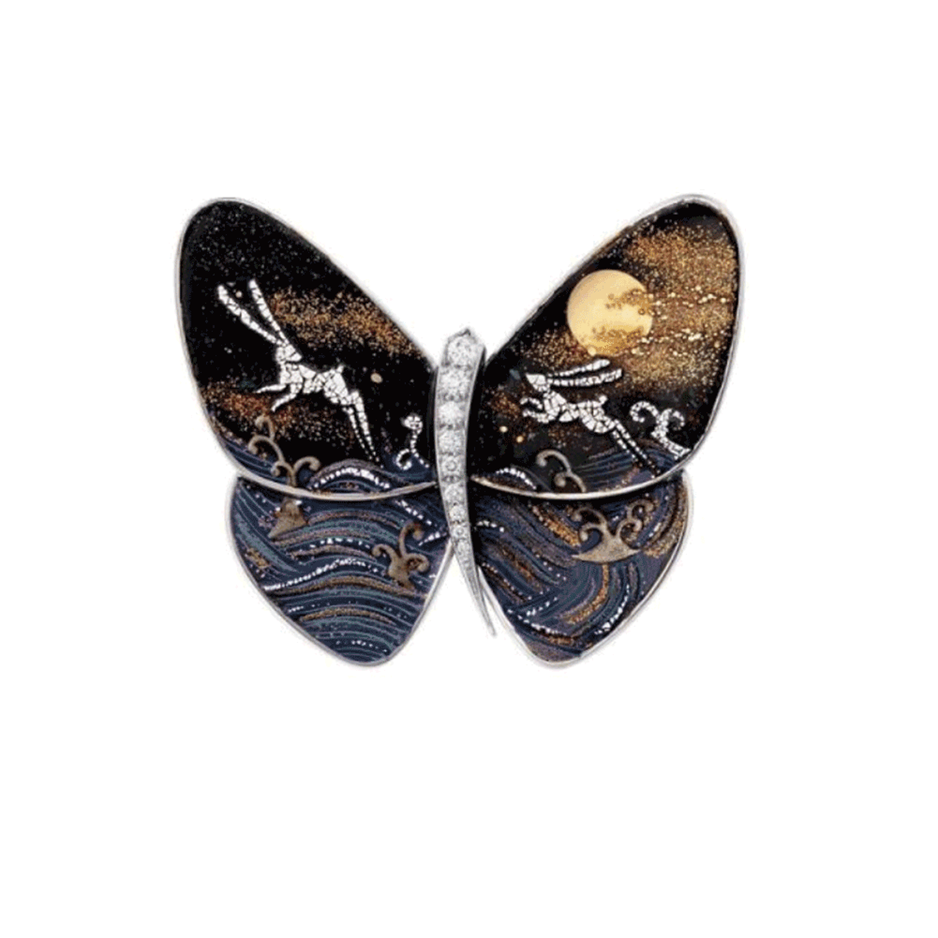
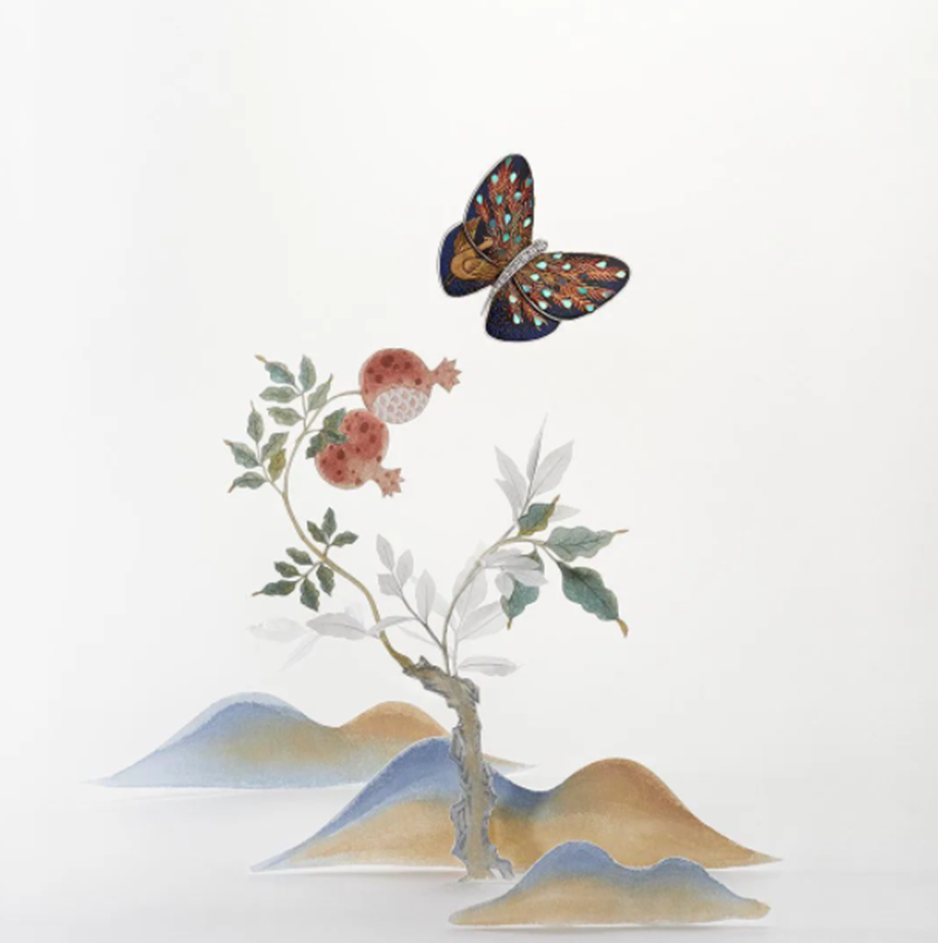
Van Cleef & Arpels launched the limited edition “Lacquered Butterfly” brooch series in 2004, created in collaboration with lacquer master Junichi Kanasaki. This series combines lacquer art with the delicate, dynamic elegance of butterfly wings. The craftsmanship uses gold powder, eggshell, and various colors, with elements from traditional Japanese paintings, such as umbrellas, bamboo, cherry blossoms, and plums. These themes evoke deep symbolic meaning, creating a refined and unique piece of art. The butterfly’s body is set in white or yellow gold, encrusted with diamonds, blending Eastern and Western craftsmanship in a sophisticated manner.
Van Cleef & Arpels’ butterfly-themed lacquer collection pays tribute to the deep cultural and craft heritage of lacquer. The stunningly crafted lacquer technique captures the enchanting image of butterflies in flight, combining timeless elegance with modern luxury. The series not only preserves tradition but also offers a fashionable new twist, with patterns and color schemes that break from the old, combining classic and luxurious elements from both Eastern and Western cultures.
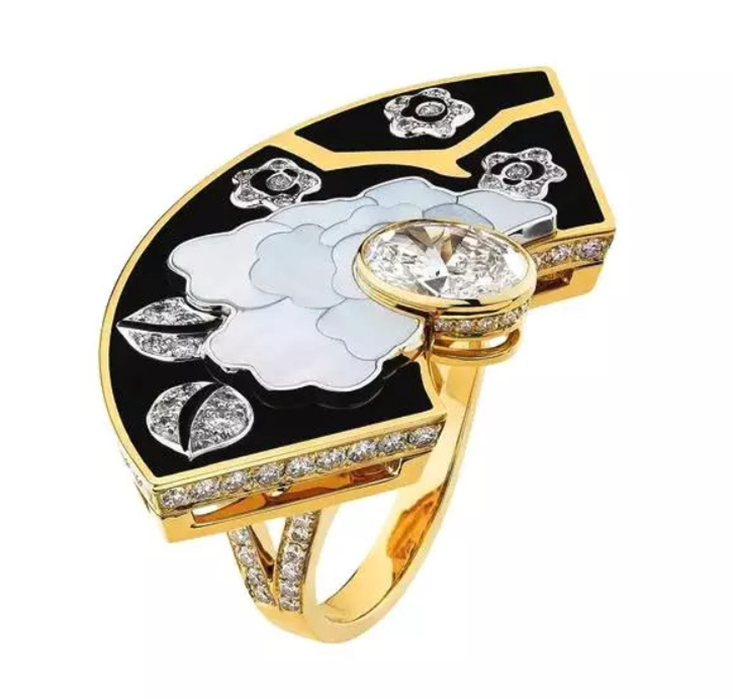
Chanel, Fleur de Laque Ring
Coco Chanel’s love for lacquer art is well-known, with numerous 18th-century Chinese lacquered screens displayed throughout her Parisian apartment.
Chanel collaborated with Japanese lacquer master Yuji Okada to bring traditional Maki-e techniques into jewelry design. The result is the Fleur de Laque ring, with its black lacquer surface accentuated by platinum, pearls, and mother-of-pearl. The design features a delicate, graceful feather pattern, evoking elegance and sophistication.
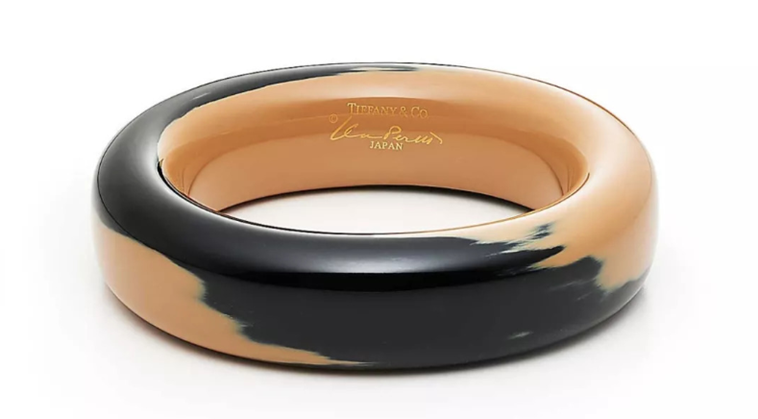
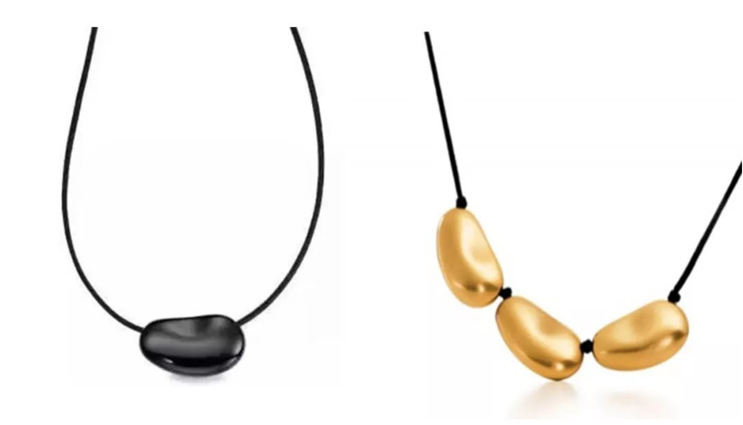
Tiffany
In 2012, Tiffany launched the famous Bean Collection, inspired by the shape of beans, which are seen as the source of all things. This collection uses traditional hardwood lacquer techniques to create smooth, flowing contours and beautiful lines that evoke a fresh, natural feeling.
Lacquer has always been a deeply elegant form of artistic expression. When combined with various materials, lacquer jewelry allows the wearer to experience the charm of Eastern aesthetics through visual and tactile dimensions, capturing the beauty, texture, and quality of lacquer.